
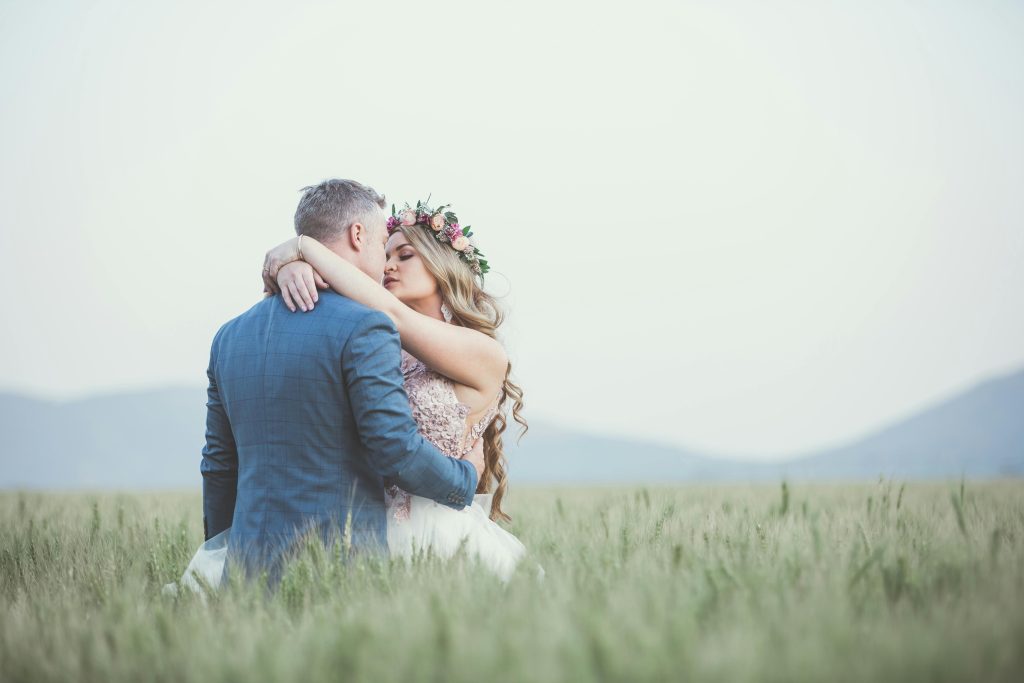
Wedding photography is not the same as it was many years ago. Most of you may have seen the old wedding albums with stiff poses and those tight smiles. Everyone lined up like a school photo. The albums from the 80s and 90s often look similar too. But now there are so many options available. But with so many options, it can be unclear.
What “Wedding Photography Style” Actually Means

Most of the time, when photographers talk about style, they usually mean two things:
Visual editing & aesthetic -how they edit photos and what the overall mood is. This may include brightness and colors.
Stylistic approach: The way they capture photos (Natural moments vs. posed portraits).
Photographers these days rarely stick to one style all day. In fact, they blend styles to fit the scene. A great photographer will catch candid moments during the ceremony, and at the same time, they’ll help you with family portraits.
Visual Editing & Aesthetic

True to Color
This style keeps everything looking natural. Colors stay very close to what your eyes saw that day. Your dress remains the same shade of white you selected, and your skin tone looks healthy and natural.
Good for: Couples who want photos that stay accurate and timeless. You won’t look back later and wonder why everything looks tinted or washed out.
Shines during: Outdoor ceremonies with natural light. This is also great for weddings with a planned color scheme.
Light and Airy
This look feels bright and soft. It also has a gentle glow. Shadows look lighter, so the whole scene feels calm and romantic.
Good for: Couples seeking a sweet, uplifting feel. If your saved photos look bright and soft-focused, this style may suit your taste.
Shines during: Daytime ceremonies. Garden venues and beach weddings also fit this look well.
Dark and Moody
This style uses deep shadows and rich colors. Strong contrast can add drama and emotion. Light and shadow can do much of the storytelling.
Good for: Couples seeking a bold, cinematic feel. Your photos can feel like scenes from a movie.
Shines during evening events. Candlelit receptions and venues with strong architecture also shine here.
Stylistic approach

Traditional (Guided and Posed)
Here, your photographer gives you step-by-step directions. A few examples include: “Hand here.” “Chin up.” “Turn slightly.” “Mom stands next to the bride.” Everyone looks at the camera and smiles.
Good for: Family portraits, wedding party lineups, and couples seeking clear guidance. You get clean and polished photos that look finished.
Trade-off: Less surprise but requires more planning.
Documentary (Candid and Unscripted)
Your photographer blends into the background and captures what’s happening around. They do not pause and do not ask you to repeat it.
Good for: Ceremony emotions, first dance reactions, and couples who do not enjoy posing.
Trade-off: You might not get every classic pose. But you get the small moments that matter.
Editorial (Magazine-Worthy)
Your photographer creates styled and curated images. They pay close attention to details, design elements, and fashion-forward posing. The goal is a bold look that feels deliberate.
Good for: Detail-heavy weddings, fashion-conscious couples, and unique venue features.
Trade-off: It takes more time and also needs more coordination than documentary photos.
How to Choose Your Perfect Mix

Step One: Pick Your Editing Preference
Save about 10-15 wedding photos you absolutely love. Look at them together and ask questions such as: Are they bright or dark? Vibrant or soft? Do they feel warm or cool? These patterns show what attracts your eye.
Step Two: Decide Your Approach Preference
Ask yourself: Do I hate posing for photos? Or do I need guidance to feel comfortable? Your answer helps you choose between documentary and more directed styles.
Also, list your “must-have” moments, such as family formals, candid dancing shots, and detailed close-ups of your handmade centerpieces.
Step Three: Look at Full Galleries
Don’t just check Instagram highlights! Ask to see complete wedding galleries. This demonstrates how a photographer handles a range of lighting conditions, such as dark churches, harsh sunlight, and dimly lit receptions.